Birmingham City Council has paid itself almost half a million pounds in Clean Air Zone (CAZ) charges and fines after its own vehicles repeatedly breached the city’s emissions rules.
The Labour-run authority racked up more than £472,000 in charges and penalties after non-compliant council vehicles entered Birmingham’s CAZ since the scheme was introduced in 2021.
Data shows the council fleet accumulated 3,262 daily charges and fines over the period.
The revelation comes despite Birmingham City Council aggressively enforcing the controversial scheme against residents and businesses, with tens of thousands of motorists fined every month and enforcement action escalating sharply following the authority’s effective bankruptcy declaration in 2023.
Most of the council vehicles incurring daily CAZ charges belonged to the waste department, even as Birmingham endured a year-long bin strike that left rubbish piled across streets and fuelled accusations of mismanagement at the authority.
The council admitted that around one in eight of its fleet vehicles still fail to meet the zone’s emissions standards.
However, it said it had been replacing older vehicles over the past year and promoting ‘eco-driving’ measures across departments.
The figures also revive scrutiny of the council’s spending decisions during the years it was under Labour control.

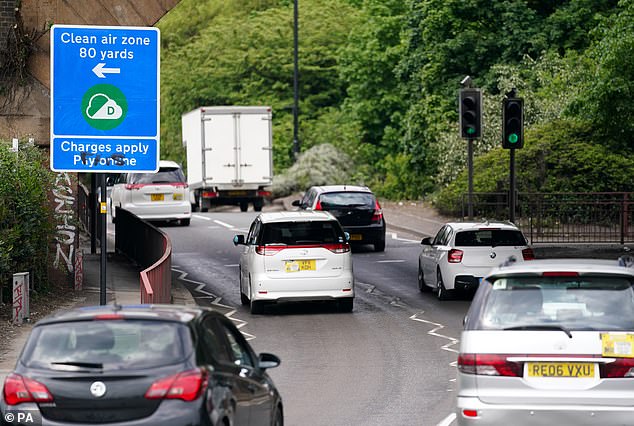
Signs in Birmingham informing road users of the clean air zone initiative
In 2023, it emerged that the authority had spent more than £2 million hiring vehicles that also failed to comply with its own Clean Air Zone standards, despite imposing strict penalties on motorists across the city.
Birmingham became the first council outside London to introduce a Clean Air Zone in June 2021, with the scheme generating around £79 million in income.
Drivers of non-compliant cars, vans and taxis are charged £8 per day, while HGVs and coaches face £50 daily fees. Those who fail to pay within six days can receive fines of up to £120.
The CAZ is monitored using Automatic Number Plate Recognition cameras positioned around the city centre ring road.
Critics have questioned why the authority continued operating non-compliant vehicles while simultaneously pursuing residents through enforcement agencies for unpaid CAZ penalties.
Figures released last year showed Birmingham increased its use of bailiffs by more than 500 per cent after the council’s financial collapse, with many cases linked to unpaid Clean Air Zone debts.
Government commissioners have been overseeing the council since it issued a Section 114 notice in September 2023, effectively declaring itself bankrupt amid spiralling equal pay liabilities and mounting financial pressures.
The financial crisis triggered hundreds of millions of pounds in spending cuts, record council tax rises and the prolonged dispute with refuse workers.

The Clean Air Zone is in operation 24 hours a day, 365 days a year and covers an area of the city centre within the A4540 Middleway. Over 300 road signs are in place to alert drivers about the Clean Air Zone
The row, which began under the previous Labour administration, left parts of Birmingham plagued by overflowing bins and rat infestations before a breakthrough agreement was finally reached earlier this year.
Last year, critics accused senior Labour figures at the council of overstating the scale of the equal pay liability that helped push the authority into bankruptcy, after estimates of a £760 million settlement were later revised down dramatically.
At the recent local elections, Labour lost overall control of Birmingham City Council, with Reform UK emerging as the largest party on the authority.
Food bank organisers have also criticised the impact of the CAZ on charities and volunteers.
They said some volunteer drivers could no longer afford the daily charges, reducing the organisation’s ability to distribute donations across the city.
Council data obtained under the Environmental Information Regulations showed the most recent CAZ penalties paid internally were four separate £60 fines incurred by City Operations in March 2026.
Before the Clean Air Zone was introduced, Birmingham City Council said poor air quality contributed to around 900 premature deaths every year.
The scheme was designed to reduce harmful pollutants, including nitrogen dioxide and particulate matter.
The council said money raised through CAZ charges is used to cover operating costs and Government-related expenses, with any surplus legally required to be reinvested into transport and environmental projects rather than the council’s general budget.
Birmingham City Council has been contacted for a statement.