


EXCLUSIVE: The Federation of Screenwriters in Europe (FSE) has waded into the debate over Vincent Bolloré’s control of the French entertainment and media sectors, sparked by the ‘It’s Time To Switch-Off Bolloré’ letter launched on the opening of the Cannes Film Festival, saying it is symptomatic of a wider trend across the Europe.
“The 2026 Cannes Film Festival will be remembered as the unintended stage of a demonstration of the growing threats to freedom of creation and expression in Europe,” said the body, gathering 31 screenwriter organisations in 27 European countries, representing 10,000 professionals.
Initially signed by some 600 cinema professionals, including Juliette Binoche, Cannes 2026 Palme d’Or contenders Arthur Harari and Bertrand Mandico, the letter took aim at Canal+ Group’s recent acquisition of a 34% stake in French production, distribution and exhibition major UGC, with an option to buy it outright by 2028.
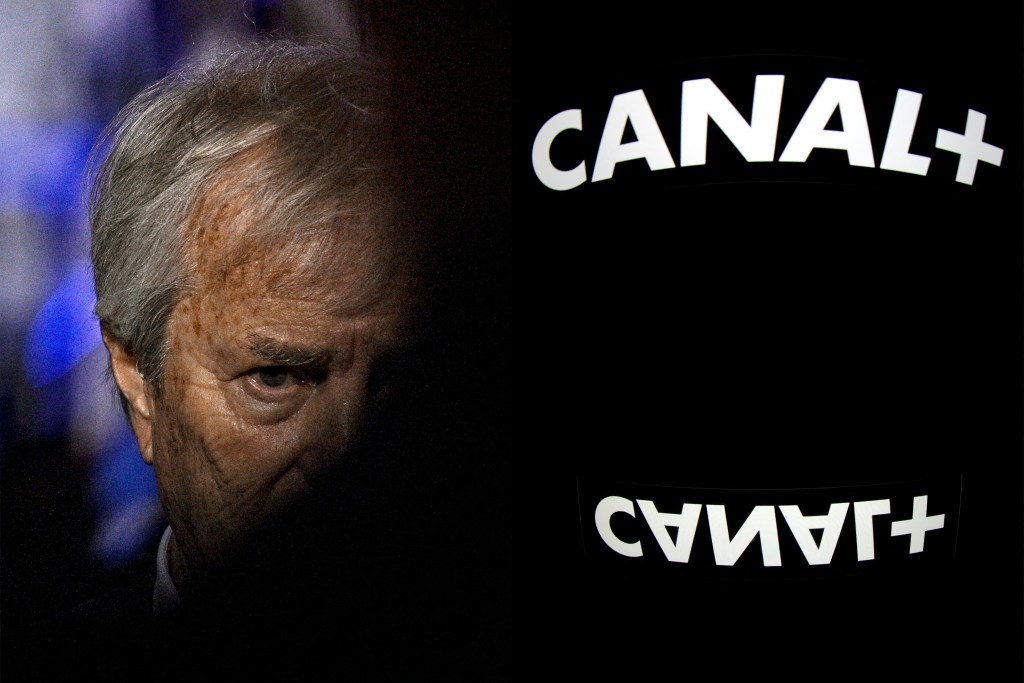
It warned the acquisition marked a new step “in Vincent Bolloré’s expansion strategy” and larger project to “push a right-wing, reactionary agenda” in France. The tycoon’s Bolloré Group is pay-TV giant Canal+’s biggest shareholder with a 30% stake.
Canal+ CEO and Chair Maxime Saada sent a chill through the industry this past weekend when he declared at his group’s traditional producers lunch in Cannes that it would never work again with signatories of letter.
The letter has a received a mixed response from French film professionals. Many share its concerns over Bolloré’s growing control of the wider media and entertainment world and right-wing agenda but also suggest that, for now, there are no signs of political interference in Canal+’s cinema activities.
The FSA tackled the differing views and also challenged the notion that for now Canal+ and its pan-European Studiocanal have not been touched by any sort of interference.
“Two professional organisations of producers publicly disavowed the open letter, worried about the consequences for their ongoing negotiations with the financier. Finally, two days later, in Cannes, the president of the financier publicly announced that the company would no longer work with the signatories of the open letter — even though, as president, he embodies a legal entity designed to be independent from its shareholders,” it said.
“Suggestions that the concerns voiced by the six hundred were premature or inappropriate were invalidated in real time in Cannes, by exactly those they were designating.”
The FSA pointed to four reported cases of editorial interference at Canal Plus. They include a 2022 report by satirical newspaper Le Canard Enchainé that the script for the series Paris Police 1900 was modified at the request of Vincent Bolloré because he did not approve of a storyline leaning into the introduction of laïcité in France with the 1905 law separating the state and religion.
“Four cases in which works were affected by decisions attributed to the same shareholder — in their financing, their content or their distribution — have since been documented,” said the FSA.
“Amongst them is the recent testimony of director Christophe Honoré, published in the magazine Trois Couleurs, reporting statements directly attributed to the same shareholder who personally intervened in the film validation committees, leading to the exclusion of two films from Canal+ main funding — one dealing with gay characters, the other with a trade unionist struggle.”
Deadline has contacted Canal+ for comment on these reports of interference which have been reported across French media.
Referring to its recent The Right to Write report, methodically documenting its similar cases in Hungary, Poland, Slovakia, Slovenia and Bulgaria, the FSA said the Vincent Bolloré case chimed with a growing pattern across Europe.
“Acquiring the media and cultural industries to intervene in the creation of their content. Dissenting voices are economically sanctioned while every demand for stronger legal protection of creators is framed, through a rhetoric of disqualification, as a liberty-killing or archaic relic of the past,” it said.
“Under cover of moral principles, these entities deploy purely discretionary decisions serving a targeted ideological agenda. Principles which they invoke only to contradict — such as editorial diversity.”
The body highlighted the fact that law exist at a national and European level to protect freedom of creation and freedom of expression, and to prohibit discrimination on grounds of political opinions, trade union activities or sexual orientation.
“The only remaining question is whether these laws will be applied with the same seriousness with which they were written,” the body concluded.