



A plant believed to have vanished decades ago has been rediscovered in remote northern Australia, thanks to a chance observation uploaded to the citizen science platform iNaturalist. Scientists say the remarkable find highlights how everyday people are becoming increasingly important to modern biodiversity research and conservation.
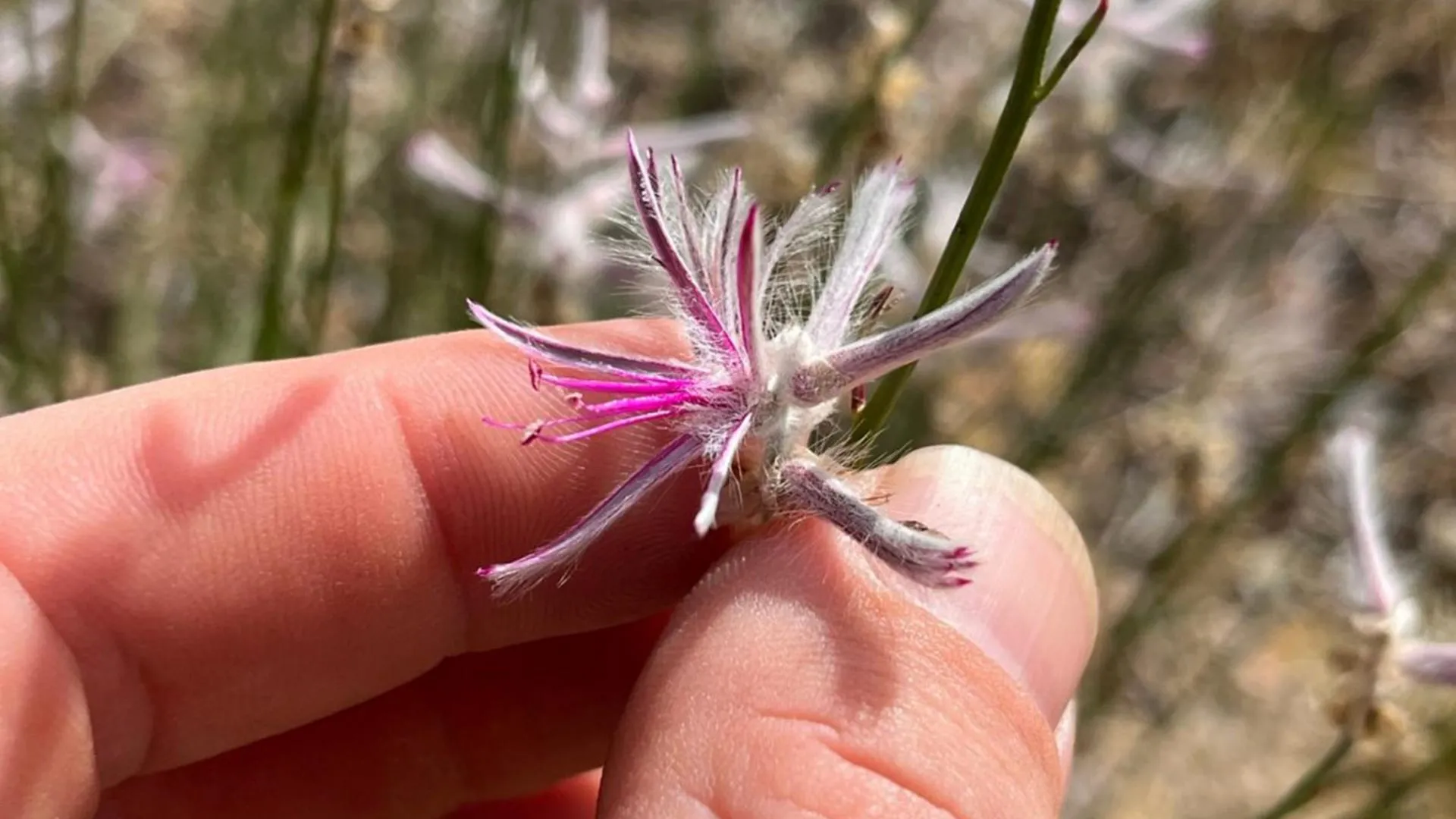
The discovery began when Aaron Bean, a professional horticulturalist who was helping band birds on a large outback property in Queensland, noticed an unusual plant growing in the landscape. He photographed it and later uploaded the images to iNaturalist after regaining phone service.
That simple upload set off an extraordinary chain of events.
Among the millions of observations shared on the platform, the photos eventually caught the attention of botanist Anthony Bean from the Queensland Herbarium. He immediately recognized the species as Ptilotus senarius, a rare plant that had not been documented since 1967 and was widely considered extinct in the wild.
Anthony Bean had actually described the species himself a decade earlier.
“It was very serendipitous,” said Thomas Mesaglio from the UNSW School of Biological, Earth and Environmental Sciences, who documented the rediscovery for the Australian Journal of Botany.
“Aaron Bean is an avid iNaturalist user who opportunistically took some photos of a few plants that were interesting on the property.”
Rare Australian Plant Rediscovered
Ptilotus senarius is a delicate shrub with purple pink flowers that resemble small feathered fireworks. The species grows only in rugged terrain near the Gulf of Carpentaria in northern Australia.
Before this rediscovery, no confirmed sightings had occurred for nearly 60 years. Scientists believed it may have joined the roughly 900 plant species that have disappeared from the wild globally since the 1750s.
With Aaron Bean’s photographs, Anthony Bean’s expertise, and help from the property owner in collecting a specimen, researchers were finally able to confirm that the species still survives. Rather than being classified as extinct, the plant has now been moved to the critically endangered list, allowing scientists and conservation groups to focus on protecting it.
“It’s one of these situations where everything had to fall into place and there was a bit of good fortune involved,” Mesaglio said.
How Citizen Science Is Changing Research
The rediscovery is part of a growing pattern in science. Increasingly, members of the public are photographing plants and animals they encounter and uploading them to online databases such as iNaturalist. In some cases, these observations are revealing species thought to be lost. In others, they are helping scientists identify organisms completely new to science.
For researchers like Mesaglio, citizen science platforms have become essential tools.
Australia’s enormous size and biodiversity make it impossible for scientists to survey every region themselves. Access can be even more difficult because about one third of the continent consists of privately owned land.
“If you are the property owner or you’re someone who has permission from the owner to be there then suddenly it opens up this whole new world,” Mesaglio said.
Scientists Want Better Biodiversity Data
Researchers are now encouraging more people, especially landowners, to participate in citizen science projects and collect high quality observations.
In New South Wales, the Land Libraries project run by the state government’s Biodiversity Conservation Trust provides training and equipment to help landowners document wildlife and plant species on their properties and upload the information to citizen science platforms.
Mesaglio supports expanding these kinds of programs, both because they improve scientific access to remote or private areas and because they help build public interest in conservation.
“Engaging landholders themselves with science and the natural world and getting them more passionate about diversity makes them far more likely to be interested and invested in protecting that diversity,” Mesaglio said.
Tips for Using iNaturalist
Mesaglio says detailed observations are especially valuable to scientists.
For example, a single close up image of a flower may not be enough to identify a species if many related plants have similar looking blooms. Taking additional photos of leaves, bark, stems, or the entire plant can provide critical clues.
He also encourages users to include information that may not appear in photos, such as soil conditions, nearby vegetation, or whether pollinators were present.
Even details like how a plant smells can help researchers determine what species it is.
“The more information you can provide and the more context you can provide, the more potential uses that that record will have in the future.”
In separate research, Mesaglio found that iNaturalist had already been cited in scientific papers involving 128 countries and thousands of species, underscoring the platform’s growing role in global science.
With millions of observations continuing to pour in, scientists believe there are many more discoveries waiting to be uncovered.