Jeremy Clarkson has called for a ‘ballsy’ Top Gear revival that focuses on electric cars as the BBC draws up plans to bring the motoring show back to screens.
Clarkson, who left the show in 2015, has suggested that viewers would be interested in finding out more about EVs – but admitted he would be unlikely to tune in himself.
The TV presenter has weighed in on Top Gear’s future amid reports that the BBC are planning to revive the once beloved show – three years after it was axed following Freddie Flintoff’s near-fatal car crash.
The programme was shelved after the England cricket legend was left with horrific injuries when the open-top car he was testing flipped over and slid along the track at the Dunsfold Park Aerodrome in Surrey during filming in December 2022.
BBC Studios are understood to have already started work on the revamped show which could air as soon as next year.
Clarkson has backed the reboot, saying there will be demand if the BBC position it correctly.
‘It will work if they do it right,’ he told The Times. ‘There is an opening for someone to review electrical cars because no one really understands them. I’m not going to watch it but there are lots of people who do want to know about all these Chinese cars because it’s all completely changing.’
Clarkson called for Top Gear bosses to be ‘ballsy’ and take the show back to its roots as a reviews show before he helped transform it into the beloved entertainment show.
Top Gear began as a straightforward consumer car review programme when it launched in 1977, before a major revamp saw it shift towards being a comedy and entertainment car show with daring stunts in 2002.

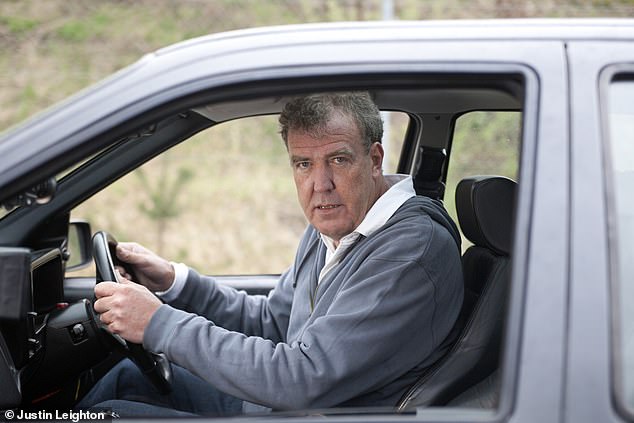
Jeremy Clarkson (pictured hosting Top Gear in 2010) has called for a ‘ballsy’ Top Gear revival that focuses on electric cars as the BBC draws up plans to bring the motoring show back to screens.

The BBC are reportedly planning to bring Top Gear back to screens, three years after it was axed following Freddie Flintoff’s near-fatal car crash
Clarkson, then a columnist at Performance Car magazine, first joined the show in late 1988, helping to propel viewing figures from several hundred thousand to more than six million.
However, after more than a decade of controversy, he left the show – with his departure prompting a dramatic fall in viewing figures.
When the show underwent a huge revamp in 2002, Clarkson rejoined alongside Richard Hammond and later James May.
However, in 2015, the BBC confirmed Clarkson had been dropped after an ‘unprovoked physical attack’ on a Top Gear producer. Hammond and May both left in solidarity, filming their final episode together as a trio in June 2015.
Clarkson, Hammond and May, went on to host The Grand Tour on Amazon Prime, but they left the show in 2024.
The revived Top Gear will not face having to compete with The Grand Tour, which is returning later this year with new hosts.
Thomas Holland and James Engelsman, creators of the YouTube car channel Throttle House, will take over hosting duties alongside viral trainspotter Francis Bourgeois.
Insiders say the BBC is steering away from hiring influencers to set Top Gear apart from Amazon Prime.
‘Expect to see three men again — with a combination of well-known faces and people with a strong following in the motoring world,’ they said.
At the time of Top Gear being axed, it was being hosted by Paddy McGuinness, Chris Harris and Flintoff. But none are expected to be involved in the revamp.
McGuinness this week was announced as a presenter of a revival of classic snooker show Big Break, alongside Stephen Hendry.

Jeremy Clarkson, James May and Richard Hammond presented Top Gear for several years together
BBC insiders say Top Gear had started reviewing electric cars in its final series and that they are likely to form part of the reboot.
‘The guys loved them because of their take-off speed,’ they added. ‘We are at a very important moment in the car market with all the questions people have around charging, infrastructure and reducing reliance on petrol cars.’
A spokesman for BBC Studios said: ‘The Top Gear brand continues to thrive across digital, publishing, and global formats.
‘As a commercial producer, we’re always exploring new ways to develop the brand and reach audiences by leveraging such iconic IP – but there’s no update on the TV show at this time.’