


Reading Time: 2 minutes
We have tragic news to report out of Hollywood today.
One of the movie world’s most iconic critics, Rex Reed, has passed away.
The veteran writer and television personality known for his biting reviews, unmistakable wit, and larger-than-life media persona was 87.
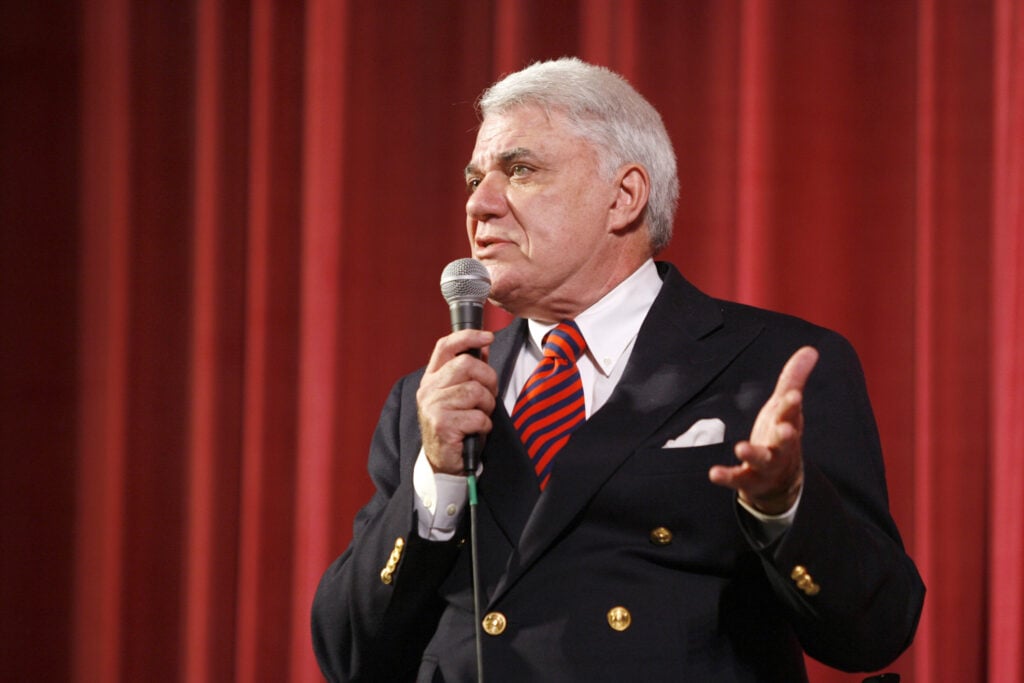
News of Reed’s passing comes courtesy of longtime friend William Kapfer, who noted that Reed died “surrounded by his closest loved ones.”
No cause of death was given.
A fixture in pop culture for generations, Reed built a career out of saying exactly what many critics wouldn’t dare — and occasionally what many readers wished he hadn’t.
Born on October 2, 1938, in Fort Worth, Texas, he first rose to prominence in the 1960s and 1970s with his work for publications such as the New York Daily News and Vogue.
In 1987, he became the film critic for the New York Observer, a position he would hold for several decades, publishing his final review for the outlet in November of 2025.
At a time when movie criticism could feel stuffy or academic, Reed brought something flashier to the table, incorporating celebrity gossip, personal anecdotes, and opinions so brutally candid they often became headlines themselves.
He was also a familiar face on television, appearing as a guest commentator on talk shows and entertainment programs while cultivating an image that felt equal parts old-school Hollywood insider and provocateur.
Reed developed a reputation for blistering critiques that occasionally overshadowed the films themselves.
Perhaps most famously, he drew backlash for his remarks about actress Melissa McCarthy in a 2013 review of Identity Thief, comments that many readers and fellow critics condemned as cruel and unnecessarily personal.
Still, Reed never backed away from his signature style.
In an era increasingly shaped by social media discourse and softened celebrity access journalism, Reed remained stubbornly old-fashioned, opinionated, theatrical, and entirely uninterested in popular opinion.
Beyond criticism, Reed appeared in films, wrote books, and became a staple of Manhattan cultural life, often documenting the glamorous and absurd corners of show business with equal enthusiasm.
Even those who vehemently disagreed with him acknowledged his outsized influence on entertainment media. Long before online influencers and Rotten Tomatoes scores, Reed understood that critics could be as entertaining and engaging as the films they discussed.
Within minutes of the news of his death, Reed became a worldwide trending topic on social media.
Our thoughts go out to his loved ones during this incredibly difficult time.