


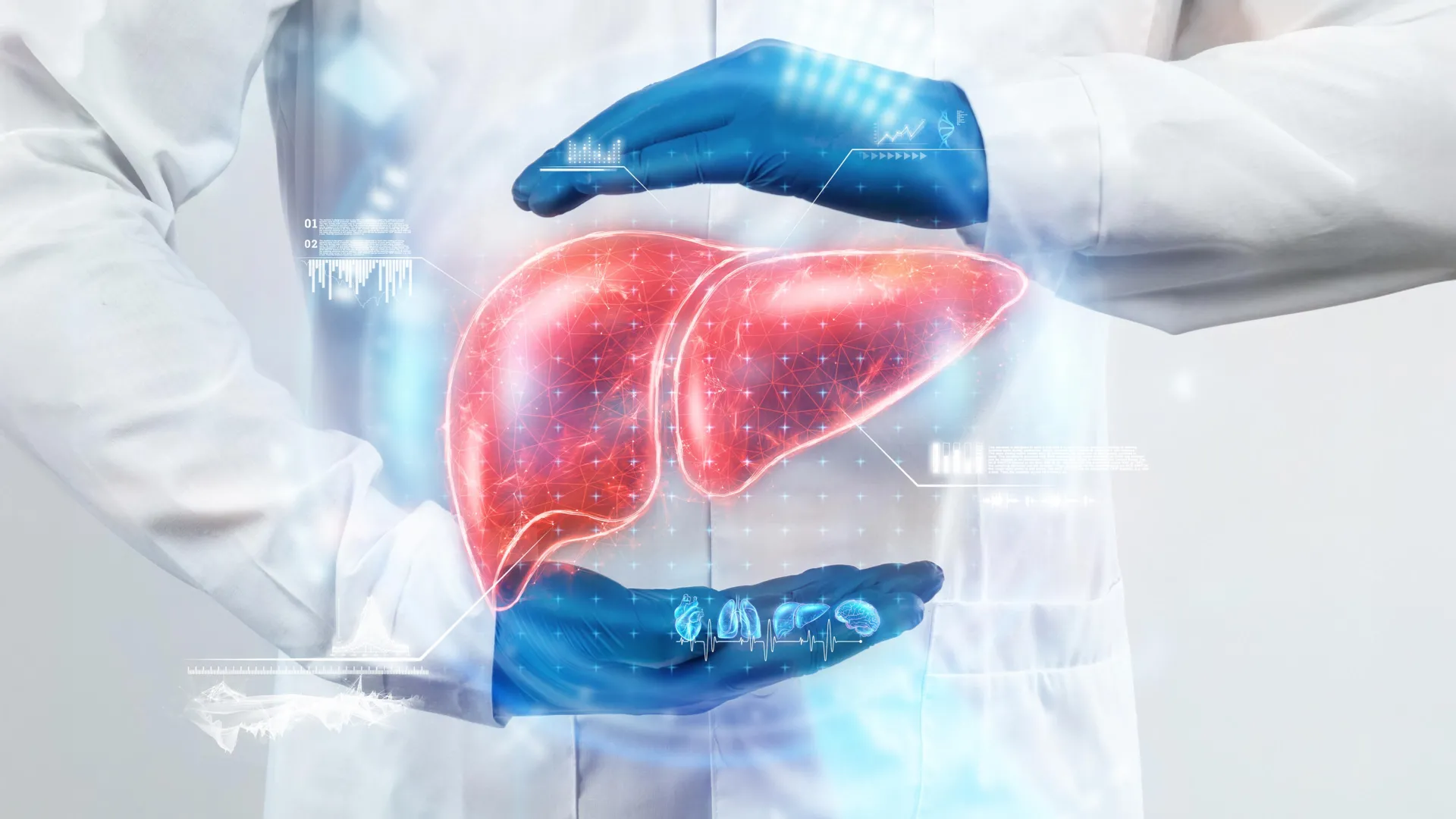
Scientists may have discovered a powerful new link between the gut microbiome, aging, and liver cancer. New research presented at Digestive Disease Week® (DDW) 2026 suggests that restoring gut bacteria to a more youthful state could help protect the liver, reduce age related damage, and potentially lower cancer risk.
The findings come from a mouse study focused on the microbiome, the vast community of bacteria and other microbes living in the digestive system. Researchers found that giving older mice back their own younger gut microbes produced striking effects throughout the body, especially in the liver.
Young Gut Microbiome Protected Aging Mice
To test the idea, scientists collected fecal samples from eight young mice and preserved them for later use. As the mice aged, the researchers transplanted the stored samples back into the same animals through a process known as fecal microbiota transplantation, or FMT.
Another group of eight aging mice served as controls and received sterilized fecal material instead. Researchers also included a small group of young mice to provide baseline comparisons.
By the end of the study, none of the mice that received their restored youthful microbiome developed liver cancer. In contrast, liver cancer appeared in 2 out of 8 untreated aging mice. The treated mice also showed lower levels of inflammation and reduced liver injury.
“We’re learning from this work that the aging microbiome actively contributes to liver dysfunction and cancer risk rather than simply reflecting the aging process,” said Qingjie Li, PhD, associate professor in the Division of Gastroenterology and Hepatology at The University of Texas Medical Branch, and lead researcher on the study. “The microbiome has a broader influence on the body’s cancer defenses than previously understood.”
Researchers Found Changes in a Cancer Related Gene
After completing the in vivo study, the research team closely examined liver tissue from the mice. They discovered important differences involving MDM2, a gene already associated with liver cancer development.
Young mice showed low levels of the MDM2 protein, while untreated older mice had much higher levels. Older mice that received the restored microbiome had suppressed MDM2 levels that more closely resembled those seen in younger animals.
“Restoring a more youthful microbiome can reverse several core features of aging at both the molecular and functional level, including inflammation, fibrosis, mitochondrial decline, telomere attrition, and DNA damage,” Dr. Li said.
Earlier Heart Research Led to the Discovery
The liver findings emerged unexpectedly from previous research examining the microbiome’s effects on heart health. In that earlier cardiac study, scientists observed that altering gut bacteria appeared to improve heart function.
However, when the researchers later analyzed tissue samples, they noticed even stronger effects in the liver. That observation prompted the team to investigate the connection more deeply.
To reduce the chances of immune complications or infection, the researchers used each mouse’s own preserved microbiome rather than relying on donor samples. They said this approach also creates a clearer proof of concept for possible future human studies.
Dr. Li stressed that the findings are limited to animal research and cannot yet be applied to people. Still, he said the team hopes to begin first in human clinical trials in the near future.