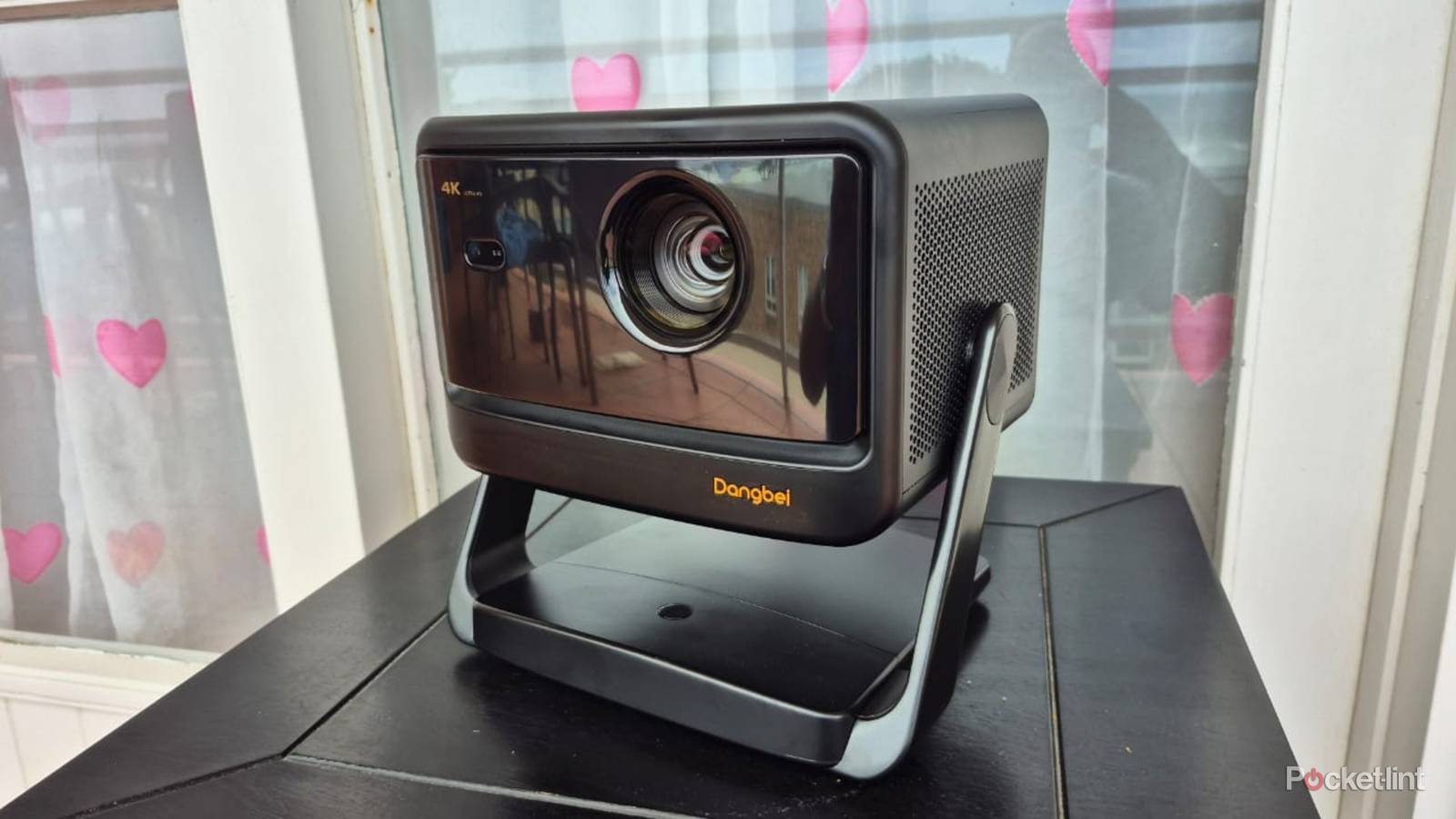
If you asked me to choose between a projector and a TV a couple of years ago, a quality OLED or mini-LED TV would win every single time. However, things have changed since then, and modern projectors have finally become viable alternatives due to incredible technological advancements.
There’s no more worrying about the limited lifespan of lamps, or needing special mounting brackets with the latest plug and play designs. Projectors have also become brighter and are now more viable than ever for daytime viewing. Like TVs, projectors come in many flavors with portable options, like the Yaber T1, ideal for on-the-go use, and more upmarket models, like the Dangbei DBOX02 Pro, for home theater setups. Here are five reasons why I’ll always choose a projector over a TV.
Big screen bliss
A home cinema experience

Size matters when it comes to content and TVs just can’t deliver the cinematic experience offered by projectors. Many mid-range projectors I’ve tried cost around $2,000 upwards and offer up to 300 inches of display. Even if I adjust it to 150 inches due to the space in my apartment, I’m still getting far more than a 98-inch TV costing more.
Size matters when it comes to content and TVs just can’t deliver the cinematic experience offered by projectors.
Yes, you can argue that high-end TVs offer higher brightness, superior contrast and faster speeds, but the latest laser projectors have closed the gap, and the difference isn’t as big as it once was. These projectors offer 4K resolution, wide color gamuts, and fast, 120Hz refresh rates, making them excellent for movies or gaming.
Easy setup
Plug and play

The complicated setup and need for a separate ceiling mount was enough to put me off older projectors. Newer models have integrated stands that fit on any coffee table and offer horizontal and vertical adjustment to get the perfect viewing angles. These projectors are easy to set up in minutes and don’t require additional accessories. Some people might need a projector screen depending on their environment and available space, but I find a plain white wall adequate for my requirements.
These projectors are easy to set up in minutes and don’t require additional accessories.
It’s a similar situation on the software side and I had to manually adjust the focus and other settings on older models. This issue no longer exists, with modern projectors offering simple plug-and-play setup with features like autofocus, autokeystone correction, and screen fit technology. I simply point the projector in the right direction, and it does everything else automatically.
Mobility
Indoor or outdoor use

The bigger the TV, the harder it is to move. Getting that massive 98-inch TV into your home is a mission, and you’ll probably never move it once you’ve installed it in the perfect spot. I don’t have this issue with my projector and can move it from room to room, or relocate it to the patio for outdoor movie nights.
I don’t have this issue with my projector and have no issue moving it from room to room, or relocating it to the patio for outdoor movie nights.
I often take my full-size home theater projector on road trips with me, and it’s easy to store and carry in its reasonably-sized box. It takes a few minutes to unpack and setup when I get to my destination and I can watch movies and big games on a massive display. On the other hand, my old 85-inch TV never leaves its stand and I dread the day when I move apartments and need to find a way to get it out.
Better Sound Quality
Bigger speakers, bigger sound

Modern TVs have slimline designs with limited real-estate for speakers, which are often weak and don’t do them justice. The best projectors I’ve tried simply have more space and include larger dual speakers, often from audio specialists, like JBL, which easily out-do most TVs.
Enthusiasts usually prefer soundbars or surround sound systems to get true immersion and, in this respect, modern projectors offer similar connectivity as TVs.
Enthusiasts usually prefer soundbars or surround sound systems to get true immersion and, in this respect, modern projectors offer similar connectivity as TVs. They include Bluetooth, HDMI eARC, 3.5mm jacks, and optical ports, so there’s no shortage of options if you’d like to enhance the audio.
High Brightness
Decent daytime performance

Brightness is traditionally the weakest point of projectors, making them impractical for all but the darkest lighting conditions. This is still true for the majority of projectors out there, but it isn’t as big a deal with premium models, which are brighter than ever and aren’t as badly affected by ambient lighting.
Brightness is traditionally the weakest point of projectors, making them impractical for all but the darkest lighting conditions.
These projectors offer 2,000 lumens of brightness or higher and can run movies or games during the day with the curtains closed. They won’t match the best TVs but are a practical alternative, providing crisp, detailed visuals without the washed-out colors of lesser models.