


Heat waves can be deadly. And experts worry that certain medications may make the danger even greater, especially for adults aged 65 and older.
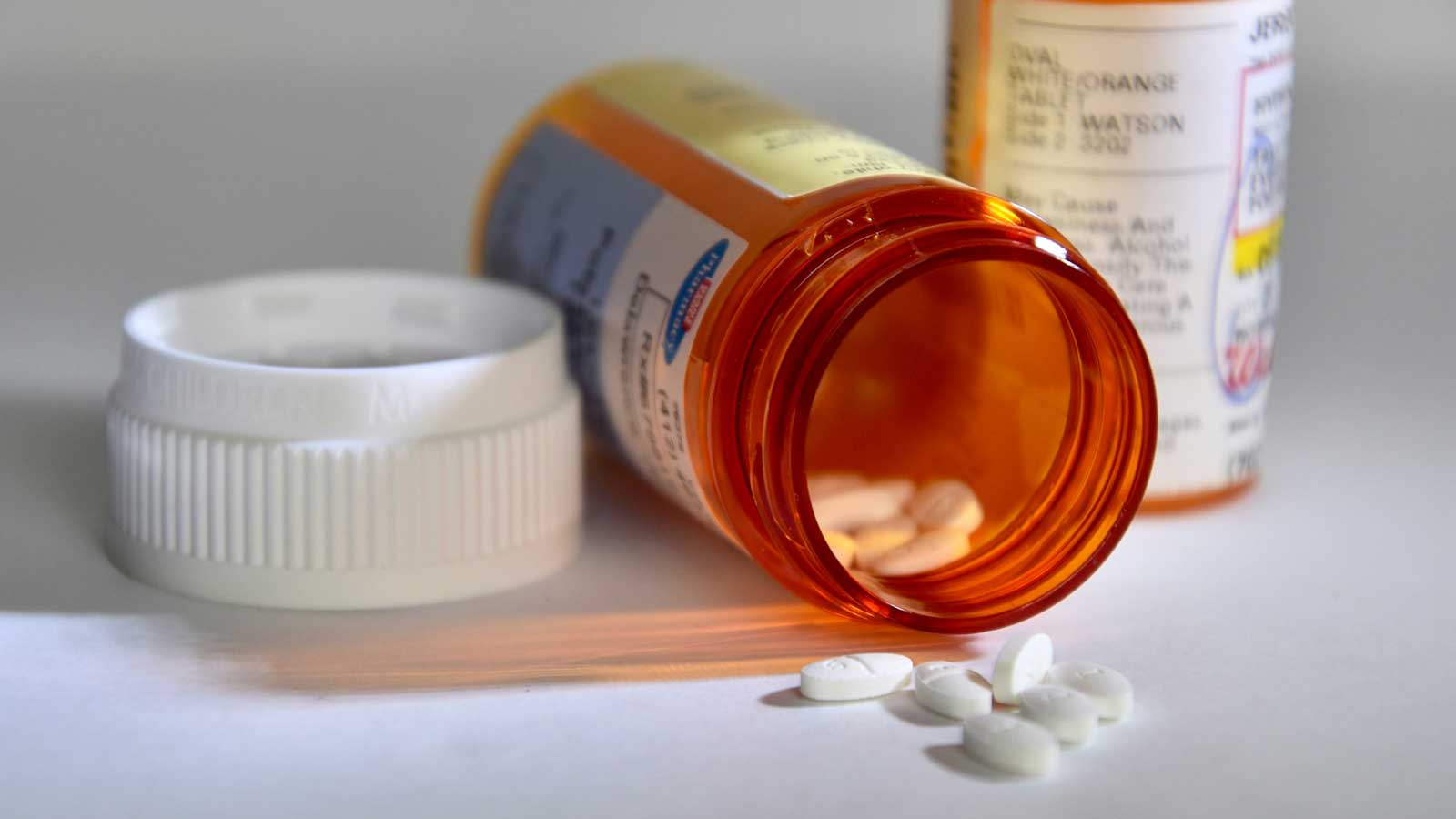
Many common prescription and over-the-counter medicines, such as certain antidepressants, antipsychotics, antihistamines, and drugs used to treat diabetes and high blood pressure, may reduce the body’s ability to maintain a safe temperature, according to a 2021 review in The Lancet, a peer-reviewed medical journal. New GLP-1 medications used to treat diabetes and obesity may also increase your risk of dehydration.
Why do medications make us vulnerable during heat waves?
Some medications can affect your perception of heat and your body’s internal thermostat. And they can alter the body’s ability to redirect blood flow to the skin, a key way that it cools itself.
In hot weather, those side effects could increase the chance of life-threatening consequences, like severe dehydration or heat stroke.
Why are older adults vulnerable?
Adults age 65 and older and those with chronic conditions are among the most vulnerable to extreme heat. Older people may be more sensitive to heat because as people age, their sense of thirst can decrease – and so can their ability to sweat. In addition, older adults often take multiple medications.
Which common medications may make heat more dangerous?
- Antidepressants like selective serotonin reuptake inhibitors, or SSRIs, may increase sweating, increasing the risk of dehydration.
- Tricyclic antidepressants, or TCAs, may decrease sweating, making it harder to cool off.
- Antipsychotics may impair sweating and alter the body’s internal thermostat.
- Anticholinergic drugs, a large category of medications commonly used to treat an array of conditions such as urinary incontinence, overactive bladder, allergies, and Parkinson’s disease, may interfere with sweating and the body’s internal thermostat. They may also reduce blood flow to the skin.
- ACE inhibitors can cause dehydration, affect kidney function, and limit the body’s ability to redirect blood flow.
- GLP-1 drugs can increase the risk of dehydration.
How to protect yourself in hot weather
- Keep taking your medications and talk with a health care provider about any concerns.
- Make sure you have access to a cool place to rest during a heat wave. If your home doesn’t have air conditioning, can you stay with a friend or family member?
- Keep your medications in a cool place – not in your car.
- Monitor yourself for the first signs of heat stress: dizziness, fatigue, or thirst. If you have those symptoms, rest and cool off immediately.
- Pay attention to symptoms like dizziness, fatigue, reduced urination, or worsening nausea. These symptoms could signal dehydration.
- Drink nonalcoholic fluids regularly, though follow your doctor’s guidelines – drinking large amounts of plain water in a short amount of time can be dangerous because of the risk of electrolyte imbalance in some people. Seek care if you can’t keep fluids down.
- Stay in frequent contact with family or other caregivers.
We want to hear from you!