


Nobody has ever accused me of being silent regarding my thoughts on in-car subscriptions. In fact, it’s a topic that I’ve researched and kept up with consistently over the past few years. When these features were first rolled out behind a paywall, it was clear that the ROI for consumers simply wasn’t compelling enough to prompt a decision, and for most in-car subscriptions, that’s still the case.
For some companies, like Ford and General Motors, however, they’re beginning to offer subscriptions to services that genuinely do make a difference in the ownership experience or daily driving. Perhaps, then, the subscription model of old was simply put in place to brace consumers for what’s to come. Either way, there are still some important decisions to make regarding what services to pay for and what’s still a scam, so let’s dive in.
Skip: heated seats and pay walled comfort features
As pure of a margin play as there ever was

When I talk about no ROI, this is what I mean. There was a time when BMW flirted with the idea of putting certain in-car comfort features, like heated seats, behind a paywall, and while that idea sounded great in a boardroom, in practice, it led to a revolt among enthusiasts and casual buyers alike.
BMW’s package cost owners around $18 a month and has since been canceled, but some are still hanging around. At the end of the day, most of these subscriptions are about car companies finding ways for customers to generate revenue after purchasing a vehicle.
Skip: built-in navigation subscriptions
Google Maps, Waze and Apple Maps are all you need

Manufacturers have finally begun to realize this, but no one wants to pay extra money for a navigation program that is worse than the ones on their phone. To boot, Google and Android have both been collaborating to make Google Maps standard for vehicles with Google built-in.
Apple attempted to take this route with CarPlay Ultra, but was met with resistance from manufacturers due to liability concerns related to speed and safety monitoring, among other factors. By the end of this decade, a comfortable navigation program should appear to be standard on even base models, which is a win-win for consumers.
Skip: remote start and other basic remote features

Let’s say you went to buy a car today. You would leave with a new ride, potentially a new hat or some dealership swag, and one more thing: a new app on your phone. Many vehicles sold in the U.S. today come with access to a companion app that lets users do things like remotely start their cars from a larger distance away, monitor fuel levels, or even schedule services.
For instance, the Volkswagen companion app, My VW, came with a few years’ worth of subscriptions when I purchased my 2025 VW Atlas. If that runs out between now and when I inevitably sell it, there’s absolutely no way I’ll be paying extra to renew it. I use it maybe once or twice a month, and it’s not even close to worth it. There’s a reason you can get it free for years at a time.
Don’t skip: Hands-free driving/ADAS packages
A feature that’s actually worth the money

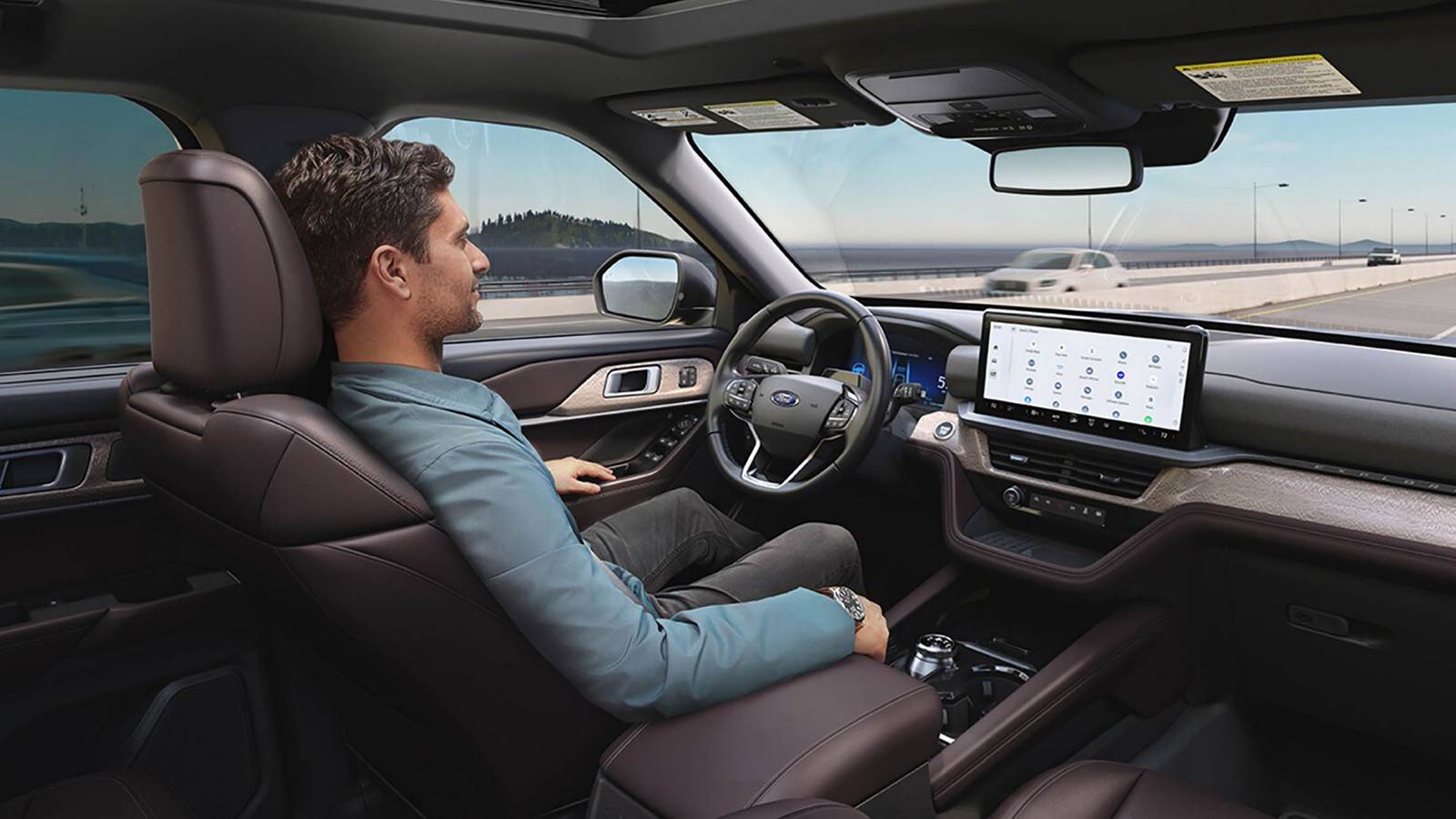
Very rarely do I say that any in-car subscription feature is actually worth the money, but if you’re like me and put well over 20,000 miles on a car each year or routinely go on long road trips, paying the extra money for self-driving platforms like Ford’s Blue Cruise or GM’s Super Cruise is a no-brainer.
Even higher-end ADAS packages are worth their weight in gold. Recently, on a 12-hour road trip, VW’s Travel Assist mode took away most of the stress for me coming through highly trafficked metropolitan areas. Many other companies have features like this, in which it simply takes over most lane-keeping duties, softens the steering, and then runs cruise control as normal.
Don’t skip: Stolen vehicle tracking & recovery
This could keep your insurance costs down

If your car has an option to enable tracking software in case it’s stolen, it could actually help lower your insurance premium. Sure, you could lower it all the same by purchasing an aftermarket tracker and adding it to the car, but those are easier for would-be thieves to disable than the alternative.
Some drivers have reported anywhere from a 5–30% discount on insurance costs, and response times are typically better than those of traditional law enforcement in many cases. This is a solid investment, especially if your car is of the more desirable variety on the open parts market.
Don’t skip: performance unlocks (if you’re an enthusiast)
You can opt for more speed and power

I saved this one for last, as it’s entirely situational. If you don’t care about how your car accelerates or flexes its muscles in traffic, then by all means, skip out on this one. However, if you’re even gearhead-adjacent, most of these performance boosts are worth the extra scratch.
For example, Mercedes claims it can improve your 0–60 time by nearly a full second with its motor formula tweaks and subscription-based additions for its EQ class of vehicles. That’s a performance you can feel and use on the road as opposed to a button you can or can’t use on your phone.
Car subscriptions are taking on the same tone that car features have already done. Smart buyers will be aware of their subscriptions in the future and only activate those that genuinely enhance the driving and ownership experience.