

Blue Origin, the space launch company founded by Jeff Bezos, achieved a successful recovery of its first reused orbital-class rocket, but the payload it placed into space has ended up in the wrong location.
The New Glenn rocket lifted off on its third-ever mission on Sunday (April 19) and by all outside appearances the 7:25 a.m. EDT (1125 GMT) liftoff from Launch Complex 36 at Cape Canaveral Space Force Station in Florida went as planned. So did the propulsive recovery of the rocket’s first stage — called “Never Tell Me The Odds” and being reused for the first time — when it touched down on Blue Origin’s “Jacklyn” droneship in the Atlantic Ocean about six minutes later.

“We have confirmed payload separation. AST SpaceMobile has confirmed the satellite has powered on. The payload was placed into an off-nominal orbit. We are currently assessing and will update when we have more detailed information,” the company wrote.
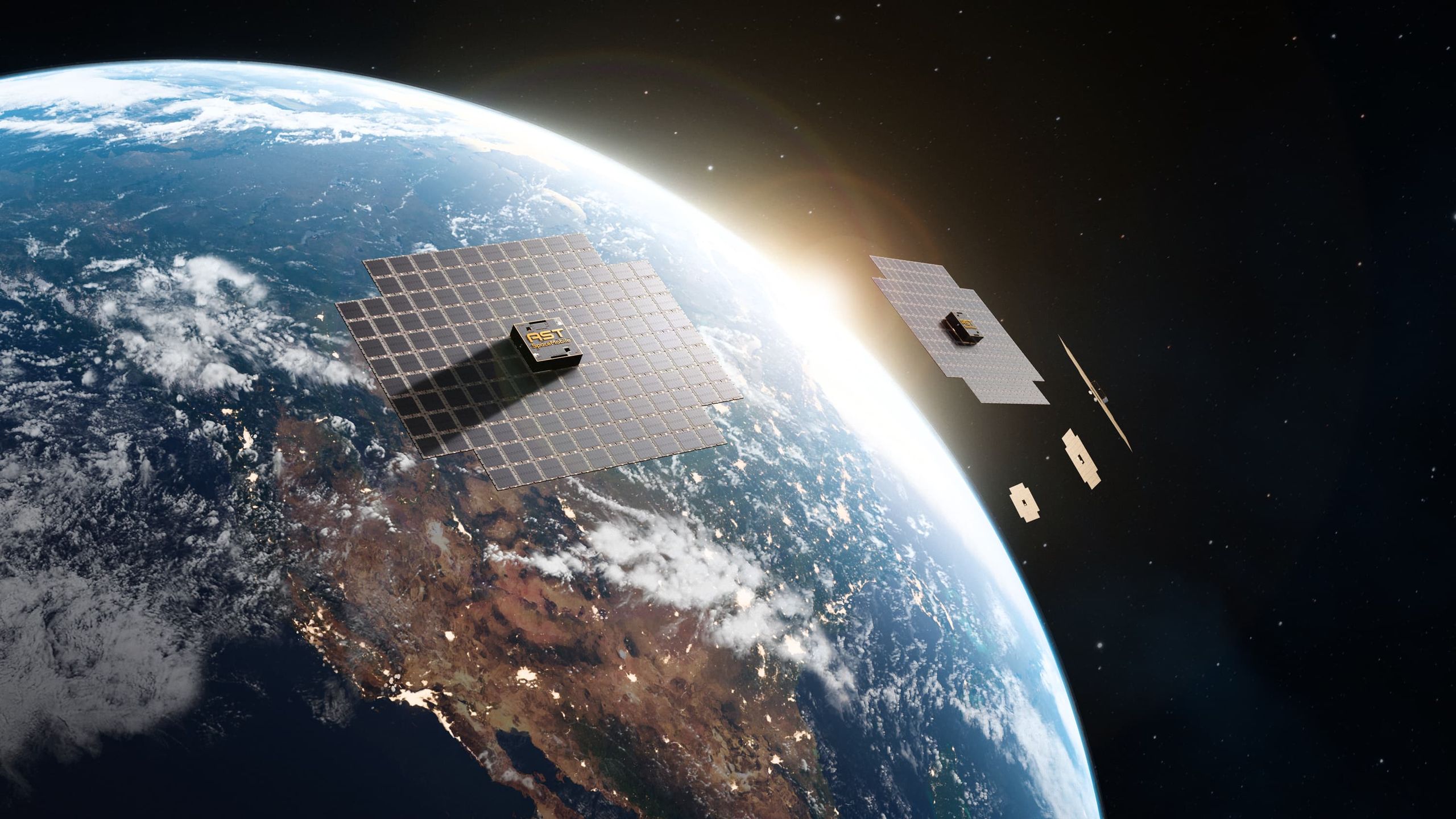
AST SpaceMobile’s BlueBird 7 satellite was intended to join the largest communications array ever deployed in low Earth orbit to expand the network’s ability to provide space based cellular broadband to consumer smartphones. BlueBird 7 is one of the largest satellites in space, with an antenna that spans 2,400 square feet (223 square meters).
BlueBird 7 – ENCAPSULATED. 🚀🚀🚀🚀🚀🚀🚀BB7 is encapsulated within @blueorigin’s New Glenn launch vehicle and preparing for its journey to low Earth orbit, marking the formal handoff from AST SpaceMobile.Next stop: the launch pad.Yet another step in scaling the first… pic.twitter.com/FSwexTHLb3February 19, 2026
AST SpaceMobile has yet to release a statement about the outcome of the launch and the status of the BlueBird 7 satellite is unclear.
It is also not known what effect this issue will have on future New Glenn launches, including Blue Origin’s planned uncrewed moon landing later this year. The company is using its prototype MK1 “Endurance” lander as a test vehicle and precursor to its much larger MK2 to support NASA’s Artemis astronaut missions to the lunar south pole.