


It doesn’t take a genius to guess which car features we’re seeing less of in 2025, but what you might be missing is that several features we consideruntouchables or so insignificant we forget about them are also on their way out the door. The automotive design sector is moving in two directions: toward hyper-futuristic or boxy, rugged designs. With those pushes come significant changes to how we think cars should look, feel, and move, and some of these changes will take place right under your nose.
I should note, too, that some of this is set in stone already and is being actively phased out, while other parts are simply trends that could die off before the next decade (although I wouldn’t bet on it). Cars are going to look much different in 2030, and that’s just a simple fact at this point.
Round steering wheels
Automakers are quite literally trying to reinvent the wheel

The most prominent transgressor of the shift away from rounded steering wheels is none other than Tesla’s yoke steering wheel, which has a love/hate relationship with owners, according to several Redditors. Now, I get the point of the yoke, and with the steer-by-wire system in the Tesla line, it does make sense, but it just doesn’t look like it belongs in a car. Tesla isn’t the only transgressor here, though.
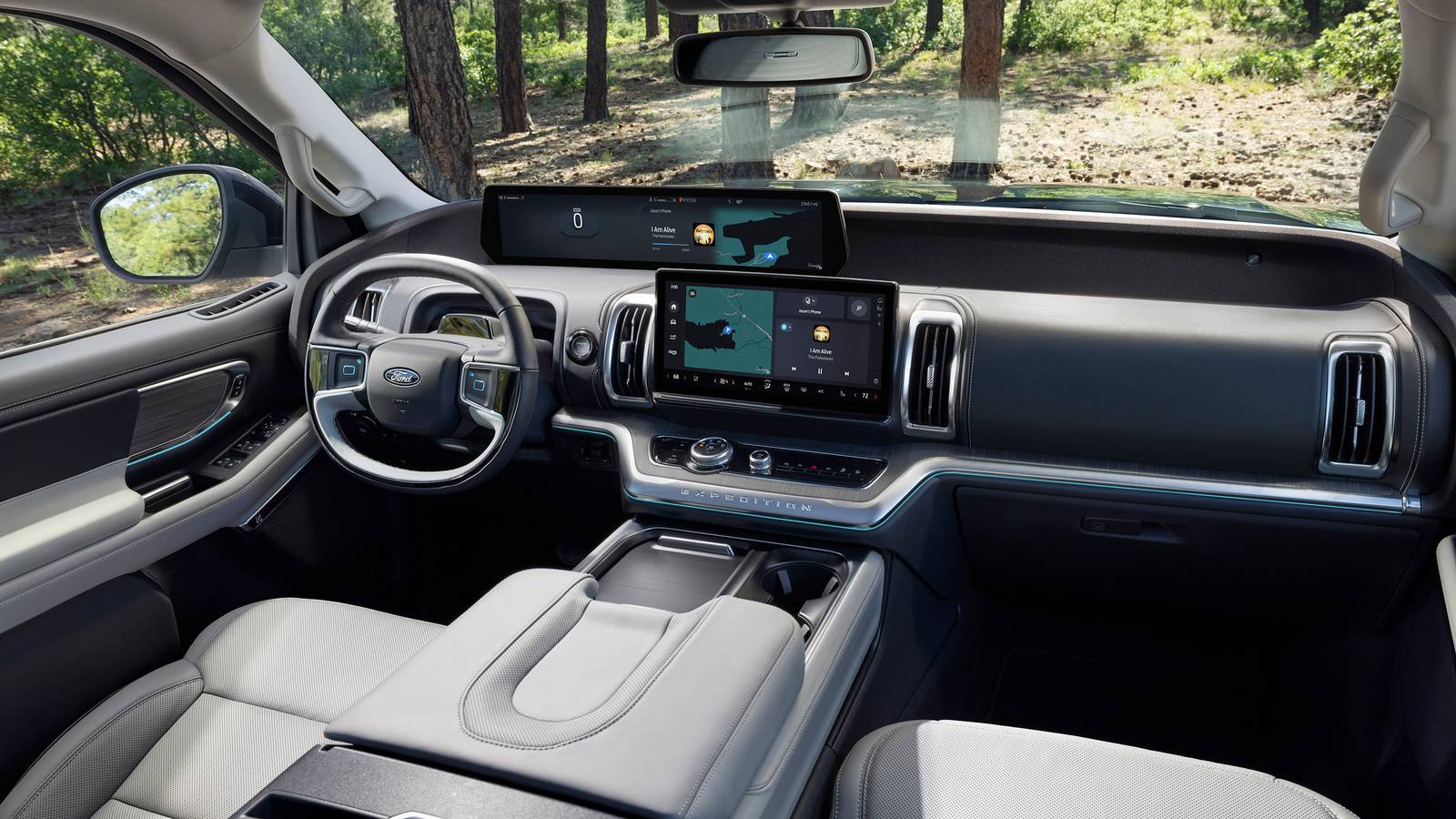
For instance, in my 2025 Volkswagen Atlas, the entire bottom of the wheel is flat rather than round, apparently to give me more legroom. Ford’s new Expedition steering wheel, pictured above, is oval-shaped rather than round. By 2030, regular round steering wheels will be a thing of the past, and we may not even notice it until we’re already there.
Flush door handles
One country has decided to annex the trend

Although flush door handles might seem like a new feature, they’ve been around in the design world for quite some time. America Motor Company (AMC) is widely credited with being the first adopter of flush door handles, and many other manufacturers followed suit, such as Jaguar and Subaru in the 1980s. However, it’s safe to say that the design has been publicized and accepted far more in Tesla’s application than anywhere else.
All that is about to change, though, as China has banned the flush electric door handle concept, effective January 1, 2027. The officials actually have good reasons, too. They say it’s easier to rescue people in an emergency, such as a crash. For instance, Tesla’s door handles are still mechanically operated in large part, but some models with flush handles require electricity to pop out of the doorsill, and can be deactivated if, say, a battery is compromised in a crash. Some automakers are against the change, but China says it’s not budging, and as a significant sales market, I would imagine that the idea becomes standard across all models well before 2030.
Physical Mirrors
Everything is on film these days, including the traffic

I, for one, cannot take the camera mirrors. I’ve tried both the Hyundai Palisade rearview camera mirror and Toyota’s attempt at the tech, and while the concept interests me, the headache that I get from them does not. You can imagine my excitement when I think about where this technology is headed. Audi’s E-tron already has virtual side mirrors, and the tech is expected to trickle down to other models sooner rather than later.
Your first thought here might be, “How is this safe?” And, truth be told, nobody knows yet. The National Highway Traffic Safety Administration (NHTSA) is currently investigating the potential to replace traditional mirrors, and if it receives approval, the ripple effect within the design world will be more than interesting. In reality, it would likely be the next major step forward in aerodynamic design.
Spare tires
Automakers are sacrificing everything in the name of space

According to Consumer Reports, around 45% of new cars today do not come with a spare tire. By and large, this is done so that manufacturers can save weight and chase down that elusive fuel mileage number. In reality, this seems like a smart decision from a cost-benefit standpoint, until you have to change a tire, that is. Instead of supplying spares, many manufacturers are now including a small air pump and sealant kit to temporarily fix your flat if you have one. There’s only one problem there, though.
How many times can you find a leak with the tire still mounted onto the car? Sure, if you’ve run over a nail or something similar, you can probably spot it, but in my experience, around 50% of the flats I’ve gotten have been nearly impossible to see with the naked eye. The only reason I was able to find the leak was by pulling the tire off and using the tried-and-true soapy water method.
EIther way, they didn’t ask me, but if just less than half of production vehicles today don’t have a spare tire and sales numbers aren’t affected, by 2030, you’ll have to check an option box for one.