

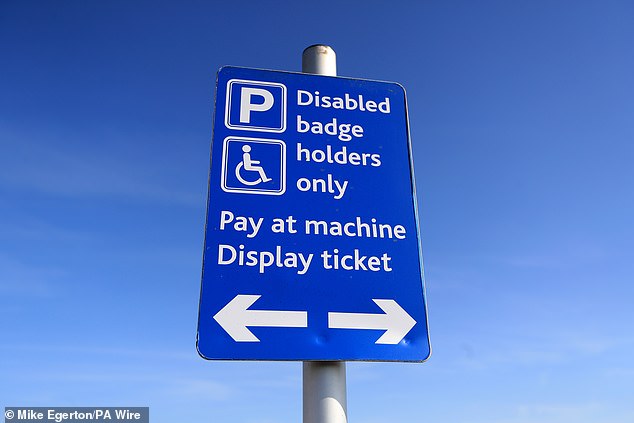
Blue badges offering free parking for the disabled have shot up by 600 per cent in five years in some parts of the country amid spiralling benefits claims.
The number of badges issued in the capital has more than doubled – something which campaigners say is reflected across Britain.
Blue badges have ballooned the most in Southwark, going from 655 in 2020 to over 4,576 in 2025 – a 613pc increase.
Triple-figure surges have also hit Labour-run Merton, by 170pc, Brent, by 141pc and Barking and Dagenham, by 146pc.
Fraudulent badges are also piling on pressure. A BBC report last year found there are now ‘more fakes than ever’ in the UK.
And an internal report from Southwark Council, also obtained via FOI, privately admits that almost one in ten they check are forged. This means they were either stolen, expired or belonged to dead people. This means the true number in use will be far higher.
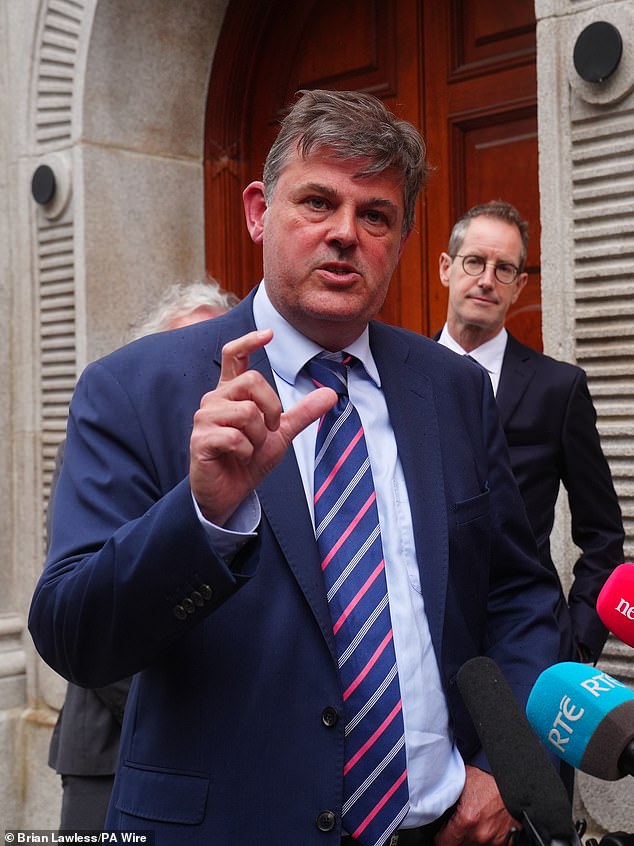
Richard Holden MP, shadow transport secretary, said: ‘There’s been an explosion in blue badges that has accelerated under Labour.
‘While everyone rightly wants to see those in real need helped with disability access, it’s clear that abuse is now widespread and growing.

Blue badges offering free parking for the disabled have shot up by 600 per cent in five years in some parts of the country
‘It is both those in genuine need of blue-badge disabled access and hardworking taxpayers who are paying the price of Labour’s failure to get a grip on welfare.’
In 2019, those with ‘hidden’ disabilities were allowed to apply for the first time; they now make up one third of all badges issued.
The scheme was only for those with mobility issues. But the number getting them for ADHD, autism, anxiety and other ‘non-visible’ disabilities has trebled since 2021.
Some senior Labour figures have welcomed these figures. One party strategist said:
‘More people getting blue badges is likely because we have widened eligibility criteria – that is a good thing.
But severely disabled people are now struggling to find spaces they need.
Laura Hattersley, director of disability charity CASK research, said: ‘Every year there seems to be fewer and fewer available disabled parking spaces.
‘Since my daughter is in a wheelchair adapted vehicle we rely on these spaces, which more often than not are wider than normal spaces and need more space to pull down our ramp.
‘Councils must either increase the number of disabled parking spaces available or ensure Blue Badges are prioritised for people with the most severe disabilities, where access to a disabled parking space can make the difference between participating in the community or being effectively excluded from it.’
However, in some councils the average wait to approve and paint a new disabled bay is 52 weeks.
Depending on the location, holders can park for free in pay and display bays and on single and double yellow lines.
And in London, blue badges exempt holders from the £18-a-day congestion charge, giving a huge financial incentive for people in London to get one.
A DfT spokesperson said: ‘Councils are responsible for assessing applications fairly and rigorously, and they have powers to take action where the scheme is misused.
‘Abuse of Blue Badges is a criminal offence and undermines support for the people this scheme is there to help.’